Key takeaways
- ADUs (backyard cottages, garage conversions, basement apartments) add rental income and property value.
- Common funding paths: cash-out refinance, home equity products, renovation loans, or construction financing.
- Some programs now count the ADU's projected rent toward qualifying.
- Check local zoning first — the financing is often easier than the permits.
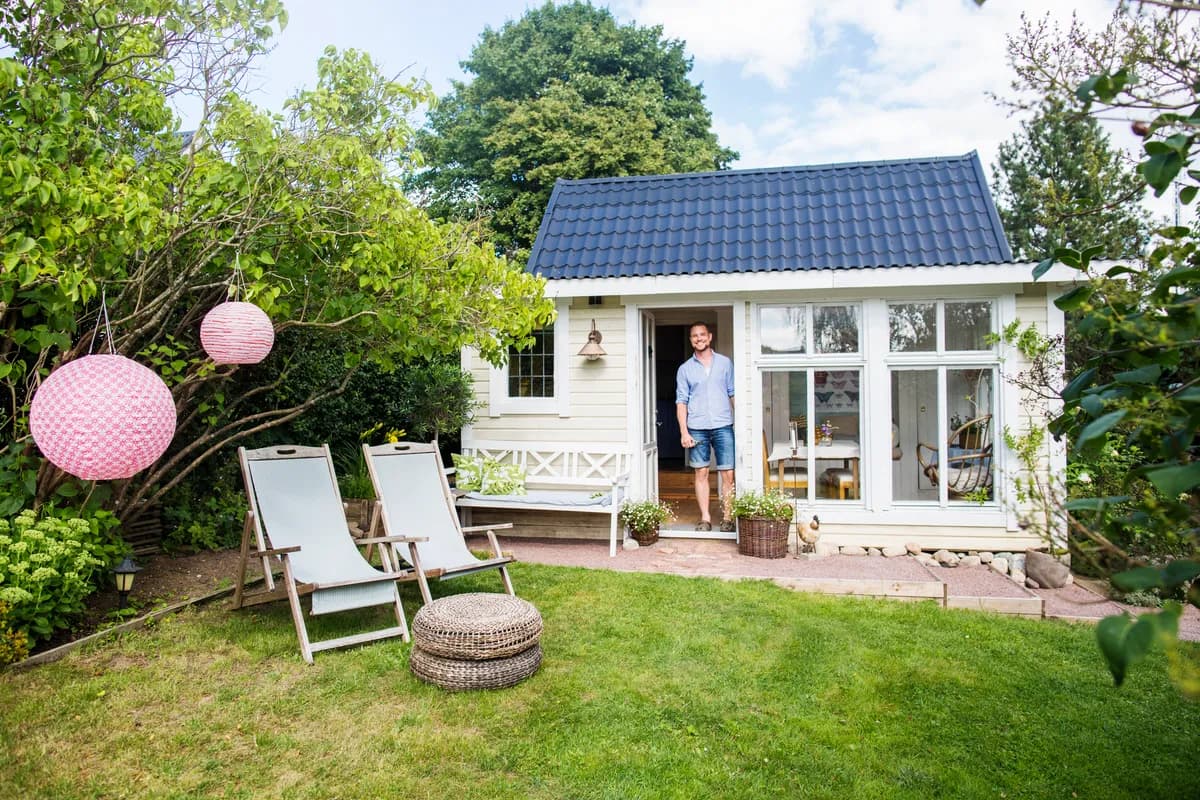
The accessory dwelling unit — the backyard cottage, the garage conversion, the basement apartment with its own entrance — has gone from zoning oddity to the most talked-about square footage in American housing. And for good reason: an ADU turns idle land into rental income without buying another property. The question I get weekly: how do people actually pay to build one?
What an ADU really costs and returns
Builds commonly run from a garage-conversion budget to a small-house budget for a detached unit. Against that, an ADU in a strong rental market can generate meaningful monthly income — long-term tenant, traveling professional, or family member who'd otherwise need their own apartment. It's the rare renovation that produces a paycheck.
The four funding paths
- Cash-out refinance — replace your mortgage with a larger one and fund the build from equity; cleanest when your existing rate makes a refi sensible anyway.
- Home equity products — a second-position line or loan keeps your first mortgage untouched; ideal when you're sitting on a great existing rate.
- Renovation/construction loans — borrow against the property's future, ADU-included value; powerful when current equity is thin but the finished value is strong.
- DSCR-style approaches — on investment properties, some programs consider the combined rental picture, ADU included.
The qualifying twist most people miss
The frontier in ADU lending is rent recognition: certain programs now count the ADU's projected rental income toward your qualifying income — the same philosophy as a DSCR loan, applied to your backyard. For a self-employed borrower whose tax returns understate reality, pairing bank-statement income with ADU rent projections can transform what's financeable.
Before you call me, call the county
The honest sequencing: zoning first, financing second. Setback rules, parking requirements, and permit timelines vary wildly by city, and a lender can't fund a unit the county won't allow. Once your jurisdiction says yes, the money side is very solvable — and I'll help you pick the path that fits your equity, your rate, and your plans for the unit.
Have a situation like this?
Every file is different. Book a free consultation and get answers specific to you — no obligation, no pressure.
Book a Free Consultation