Key takeaways
- 1–4 units = residential financing; 5+ units = commercial. The line changes rates, terms, and underwriting.
- Duplexes through fourplexes can use DSCR loans — the building's rent qualifies the deal.
- 5+ unit loans underwrite the property like a business: NOI, cap rate, and DSCR rule.
- Multifamily spreads vacancy risk — one empty unit isn't a 100% vacancy like a single-family rental.
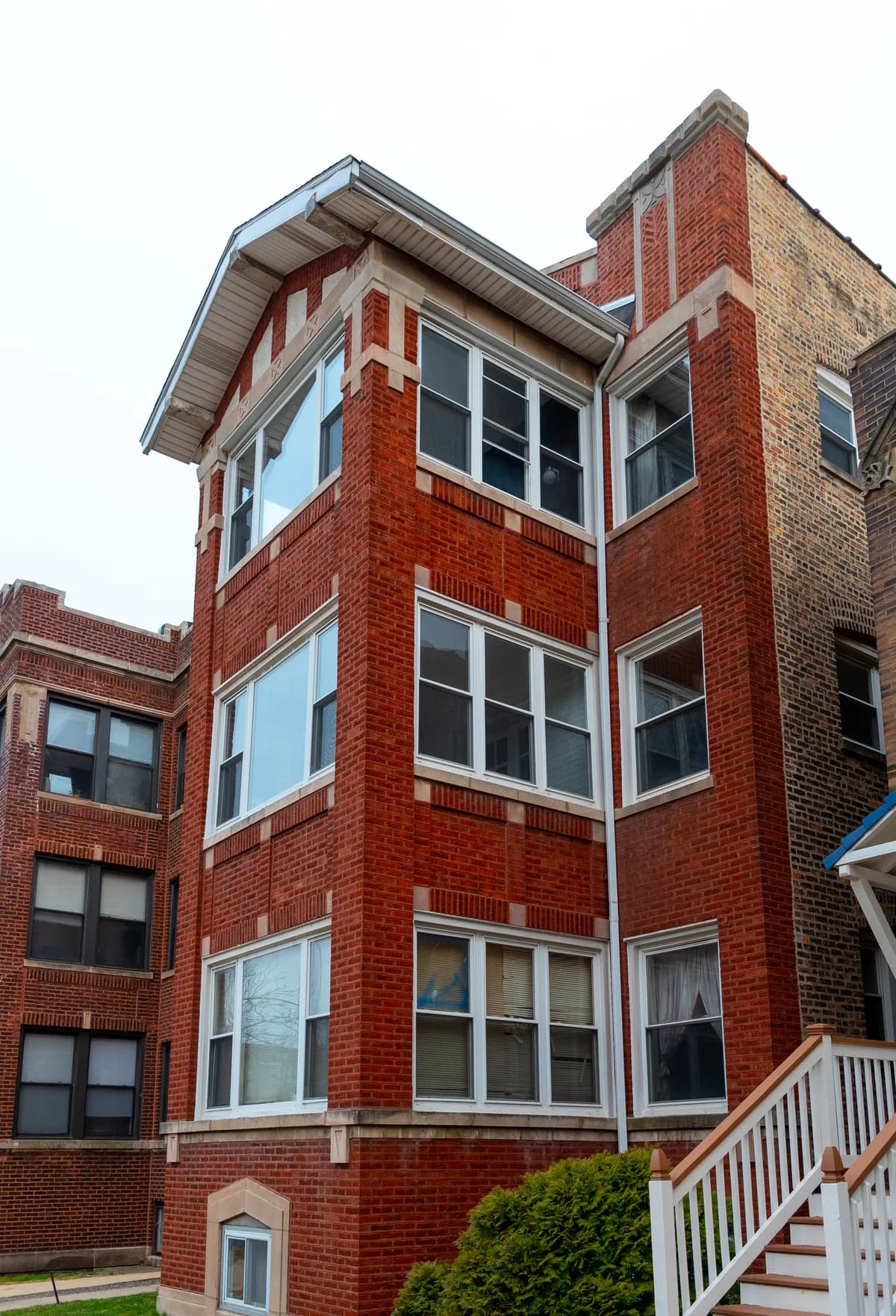
The most important number in multifamily investing isn't the price or the rate — it's four. Up to four units, the property counts as residential and finances like a house. At five units, you've crossed into commercial territory, and everything about the loan changes. Investors who understand that line can choose which side of it to play.
The residential side: 2–4 units
Duplexes, triplexes, and fourplexes get home-style financing: familiar 30-year terms, approachable down payments, and — this is the good part — full DSCR eligibility. A fourplex whose combined rents cover its payment qualifies on its own cash flow, no tax returns needed, LLC welcome. It's the sweet spot: apartment-building economics with house-loan mechanics. And if you live in one unit, the house-hacking playbook applies with even friendlier terms.
The commercial side: 5+ units
Cross the line and the lender stops asking about you and starts interrogating the building: net operating income, expense ratios, cap rate, debt-service coverage. Terms shift too — expect shorter fixed periods, amortizations that may not match the term (hello, balloon payments), and a more institutional process. None of this is bad; it's just a different sport, and pricing reflects the building's business performance.
Why investors climb the unit ladder
- Vacancy math — one empty unit in a fourplex is 25% vacancy; in a single-family rental it's 100%.
- Economies of scale — one roof, one yard, one insurance policy serving four rent checks.
- Forced appreciation (5+) — commercial value follows income, so raising NOI directly raises the building's worth.
- Portfolio speed — four doors in one closing beats four separate purchases.
How to choose your side of the line
My honest guidance: investors building with DSCR-style simplicity usually maximize the 2–4 unit lane first — the financing is friendlier and the exit market is deeper (you can sell to homeowners, not just investors). Go commercial when the deal's economics demand it, not for the ego of 'owning an apartment building.' Either way, bring me the rent roll and I'll show you exactly how each side would underwrite it.
Have a situation like this?
Every file is different. Book a free consultation and get answers specific to you — no obligation, no pressure.
Book a Free Consultation