Key takeaways
- Barndominiums confuse conventional underwriting: few comps, metal construction, mixed use.
- Portfolio and Non-QM lenders judge the property on its merits instead of a checklist.
- New builds typically use construction-to-permanent financing; completed barndos can qualify more simply.
- Comps are the choke point — an appraiser needs something to compare yours to.
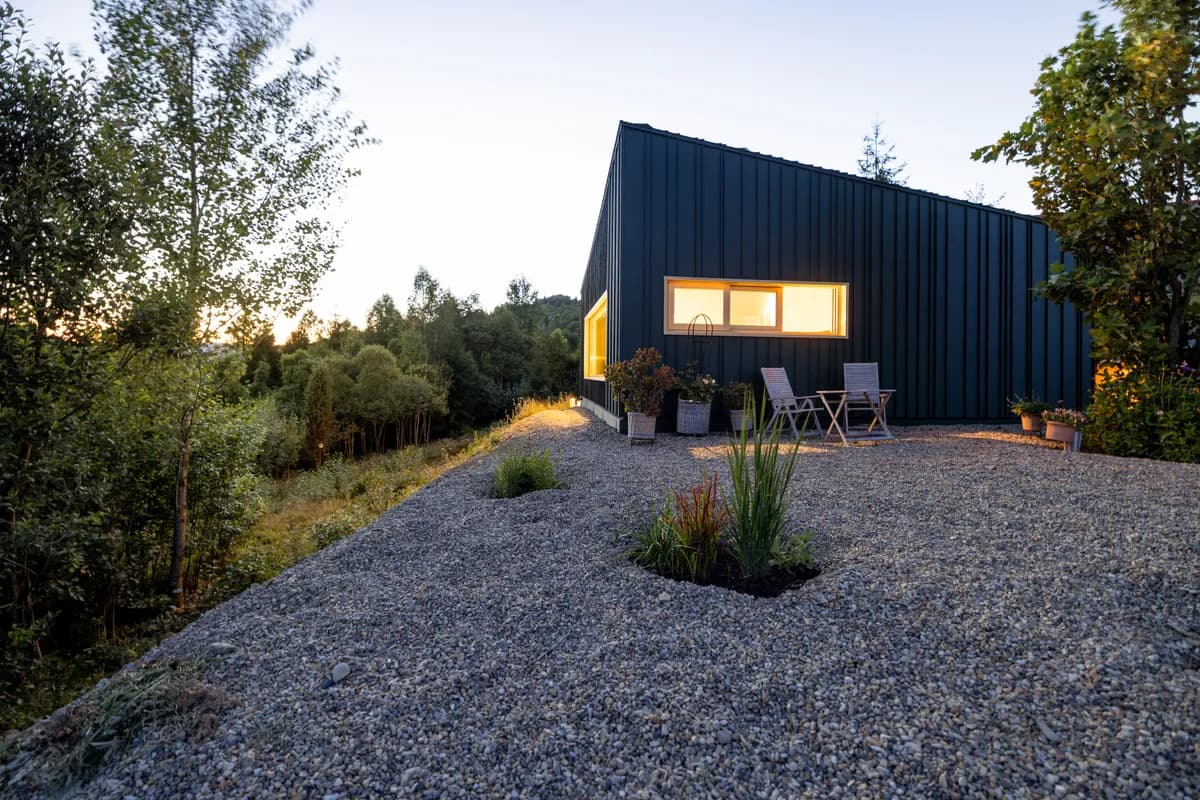
The barndominium — metal shell, soaring ceilings, living quarters plus workshop the size of a basketball court — has become the dream build for a certain kind of buyer. Then that buyer calls their bank and discovers the problem: conventional lending has no box labeled 'barn you live in.' The house is unconventional; the financing just needs to be too.
Why banks balk at barndos
- Comparable sales — appraisers struggle to find recently sold barndos nearby, and conventional underwriting starves without comps.
- Construction type — metal buildings on slab read as 'agricultural' to systems built for stick-frame houses.
- Mixed use — a structure that's half home, half workshop/hangar/stable defies the residential template.
- Acreage — barndos often sit on land that exceeds conventional lot-size comfort zones.
The lenders who say yes
This is textbook portfolio-lender territory — the same common-sense underwriting that finances non-warrantable condos and condotels applies to unique rural properties. A human evaluates the property, the plans, and you, rather than feeding a checklist. Local banks in barndo-heavy regions and Non-QM programs with unique-property appetite are where these deals live.
Building vs. buying one
For a new build, expect construction-to-permanent financing: the lender funds the build in draws, then the loan converts to a standard mortgage at completion. Kit-plus-contractor builds are financeable; pure DIY sweat-equity builds are harder (lenders want a licensed builder on the hook). Buying an existing, completed barndominium is simpler — the structure exists, an appraiser can inspect it, and the comp problem is the only hurdle left.
How to make your file easy to approve
Bring plans and a builder contract if constructing; document any comparable metal-building homes in your county (your agent can pull them); and be clear about use — primary home, weekend place, or partly income-producing, since each routes differently. The barndo dream is thoroughly financeable in 2026. It just needs a lender who's seen one before — and I know which desks have.
Have a situation like this?
Every file is different. Book a free consultation and get answers specific to you — no obligation, no pressure.
Book a Free Consultation