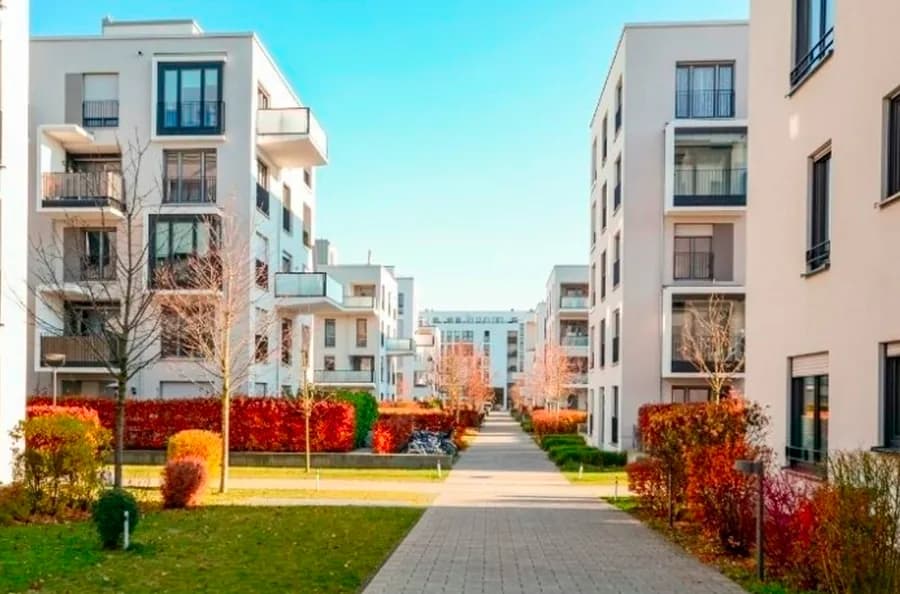
Non-Warrantable Condo Loans
Buyers of condos that fail agency warrantability rules.
- NMLS #412470
- Equal Housing Lender
- STELLAR rated on Experience.com
- Serving borrowers nationwide
Find out in one conversation
Can you qualify for Non-Warrantable Condo Loans?
No credit pull to find out. Pat reviews your situation personally and tells you straight — including when the answer is no.
- High investor-concentration projects
- Condotels & resort condos
- Projects in litigation or new construction
Takes about 30 seconds. No obligation, no credit pull.
High investor concentration, ongoing litigation, a condotel, or a project still under construction — the reasons Fannie and Freddie say no are exactly the ones we underwrite around.
What makes it work
Go deeper — guides from Pat
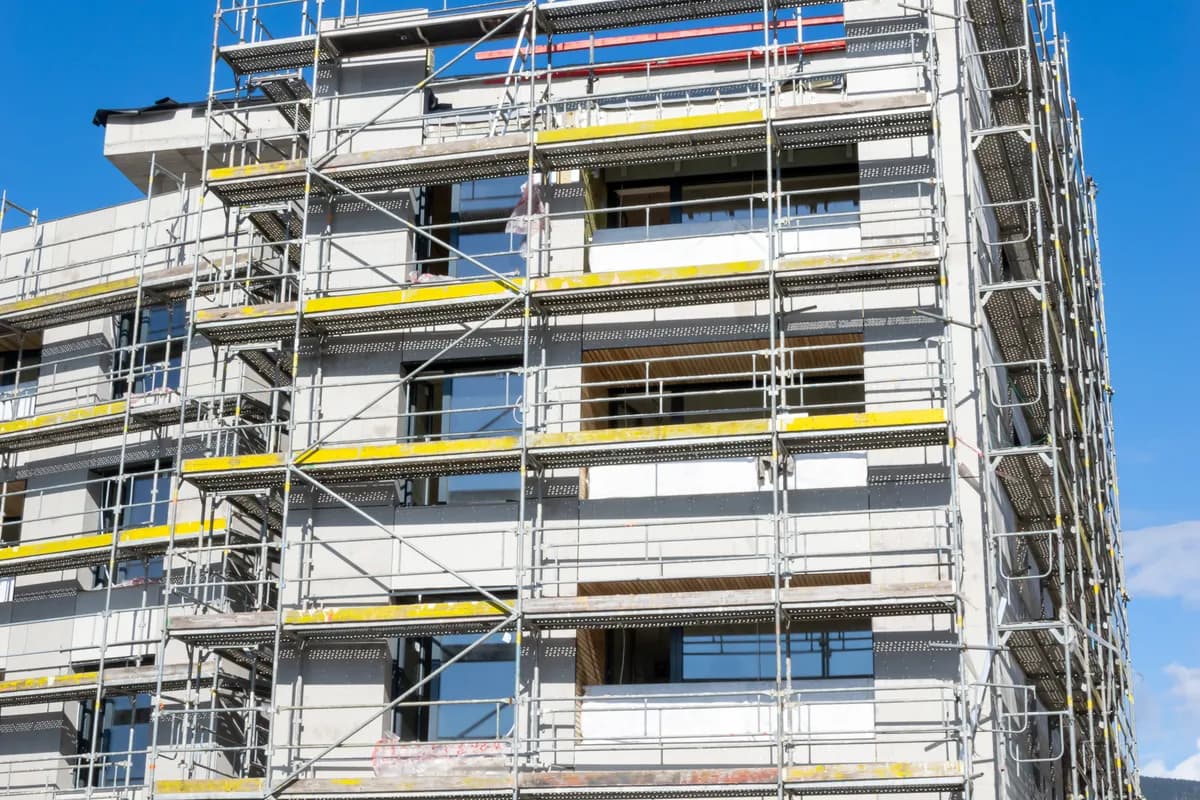




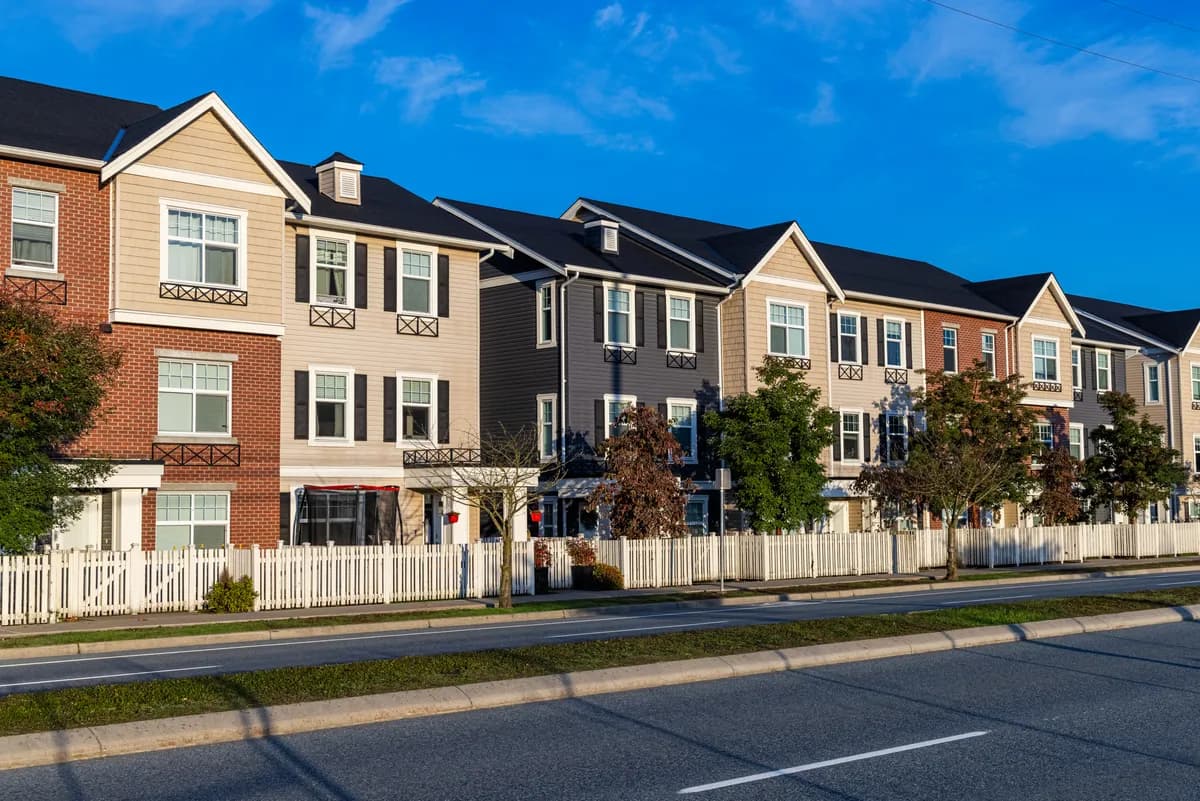


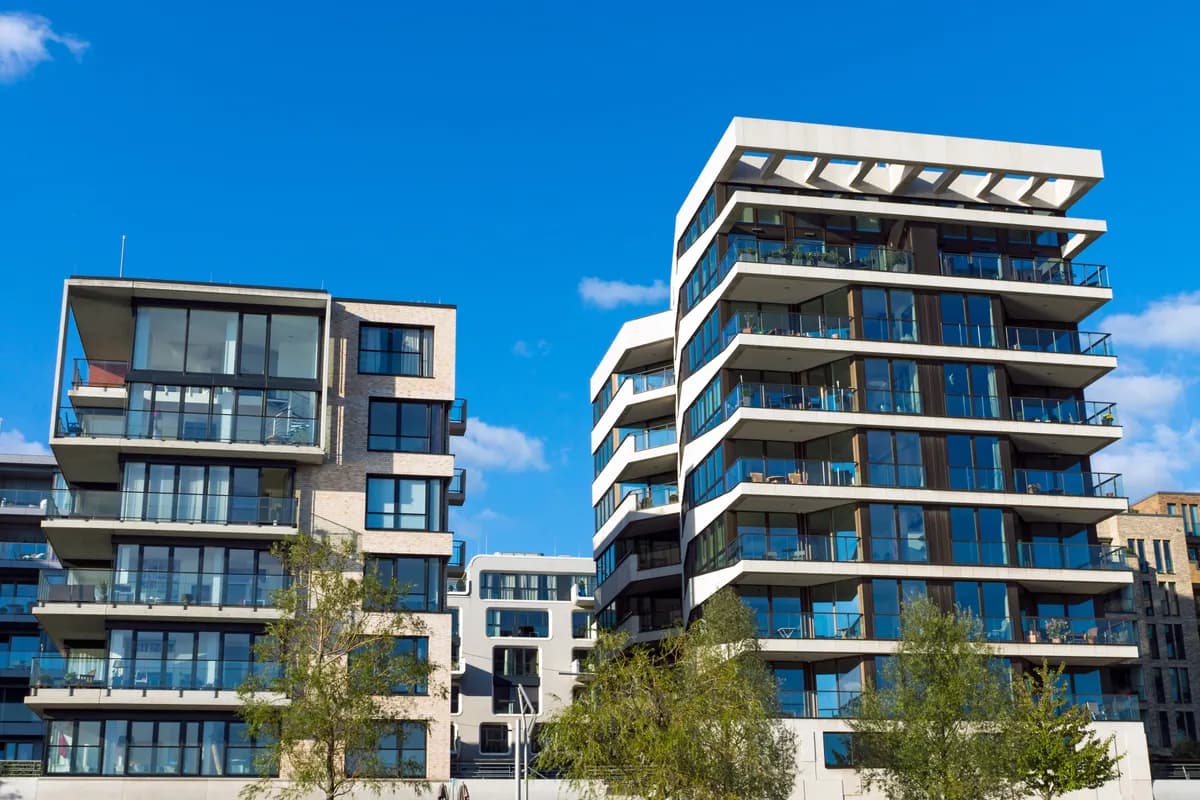
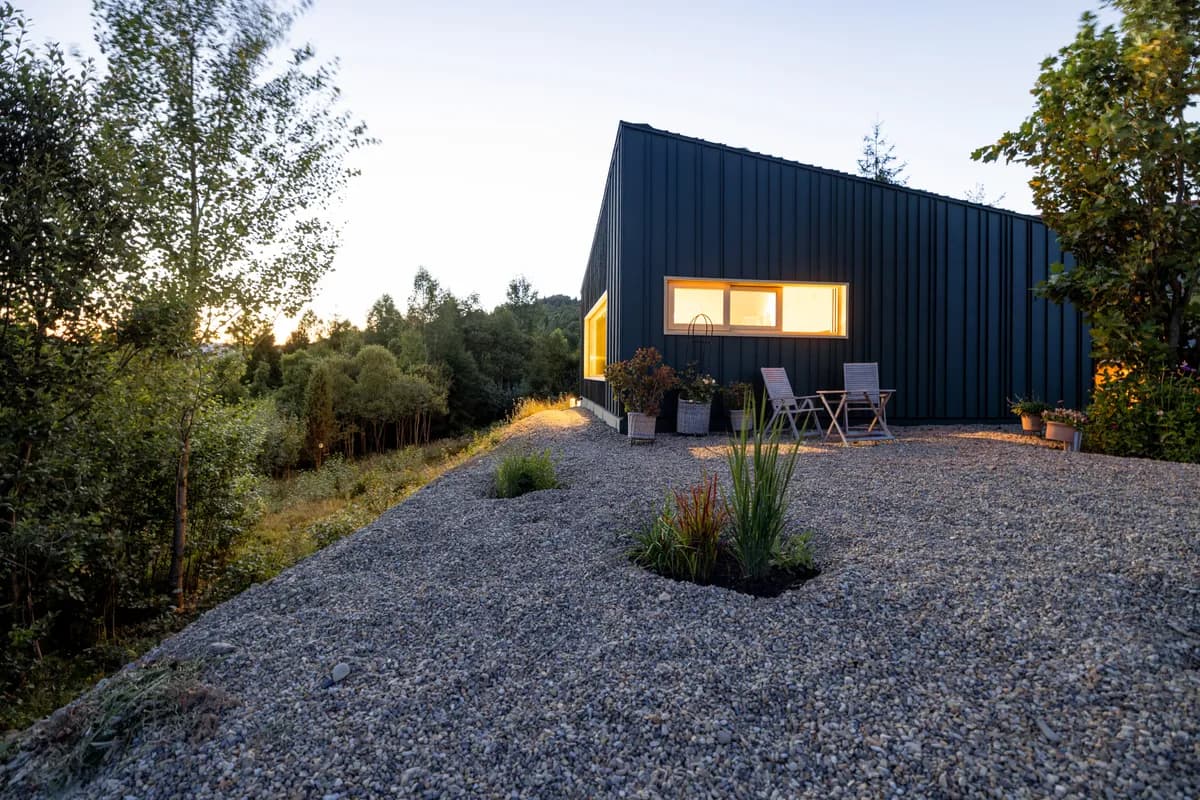
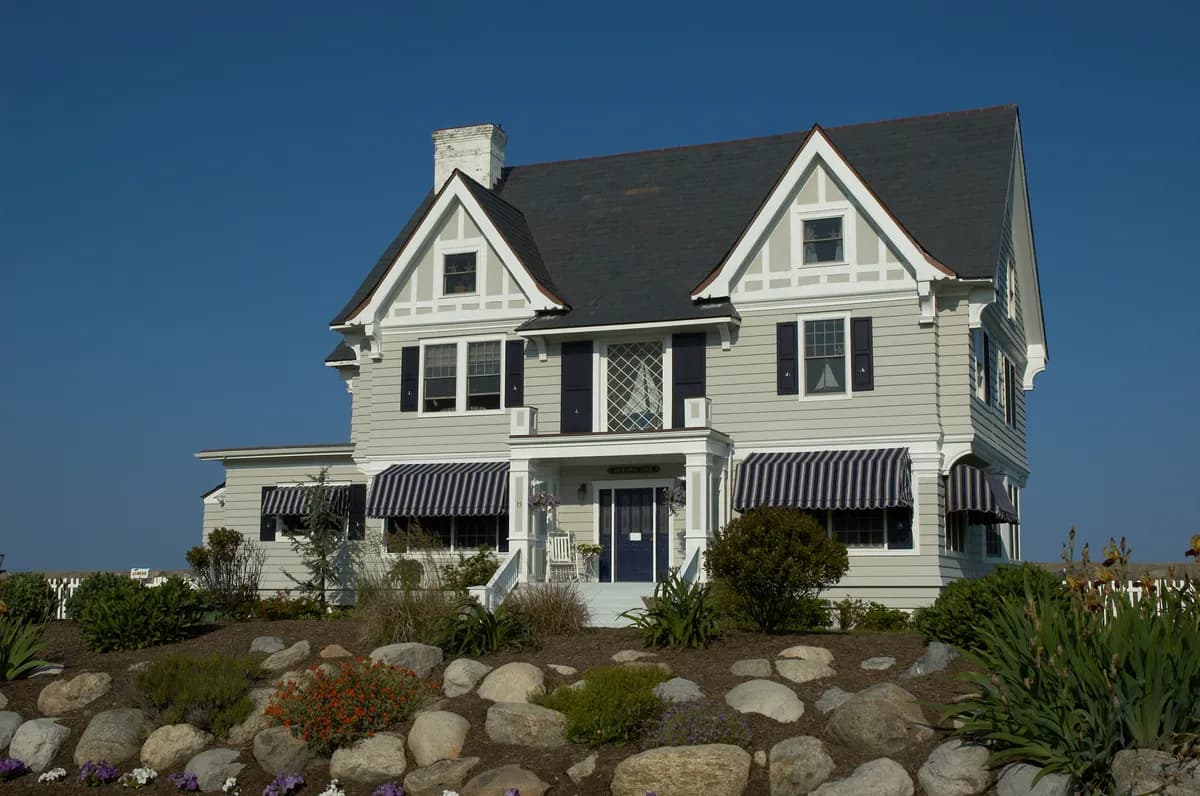
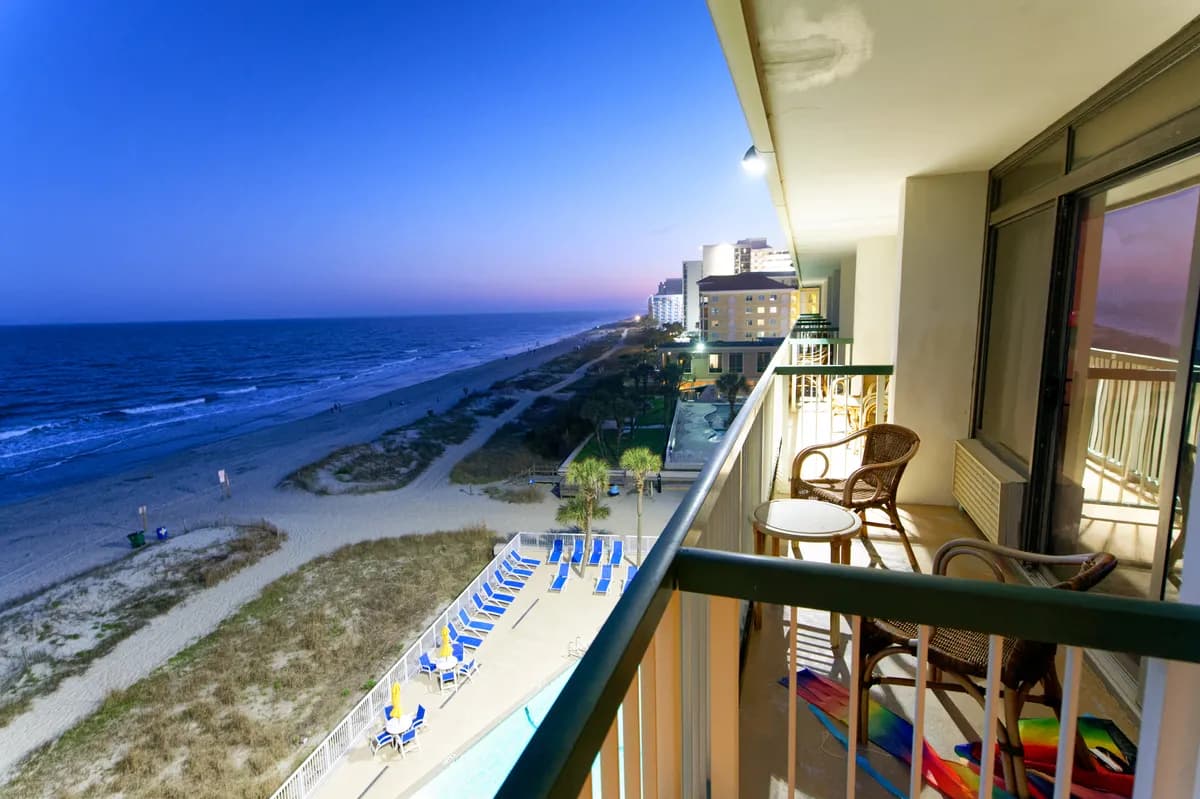
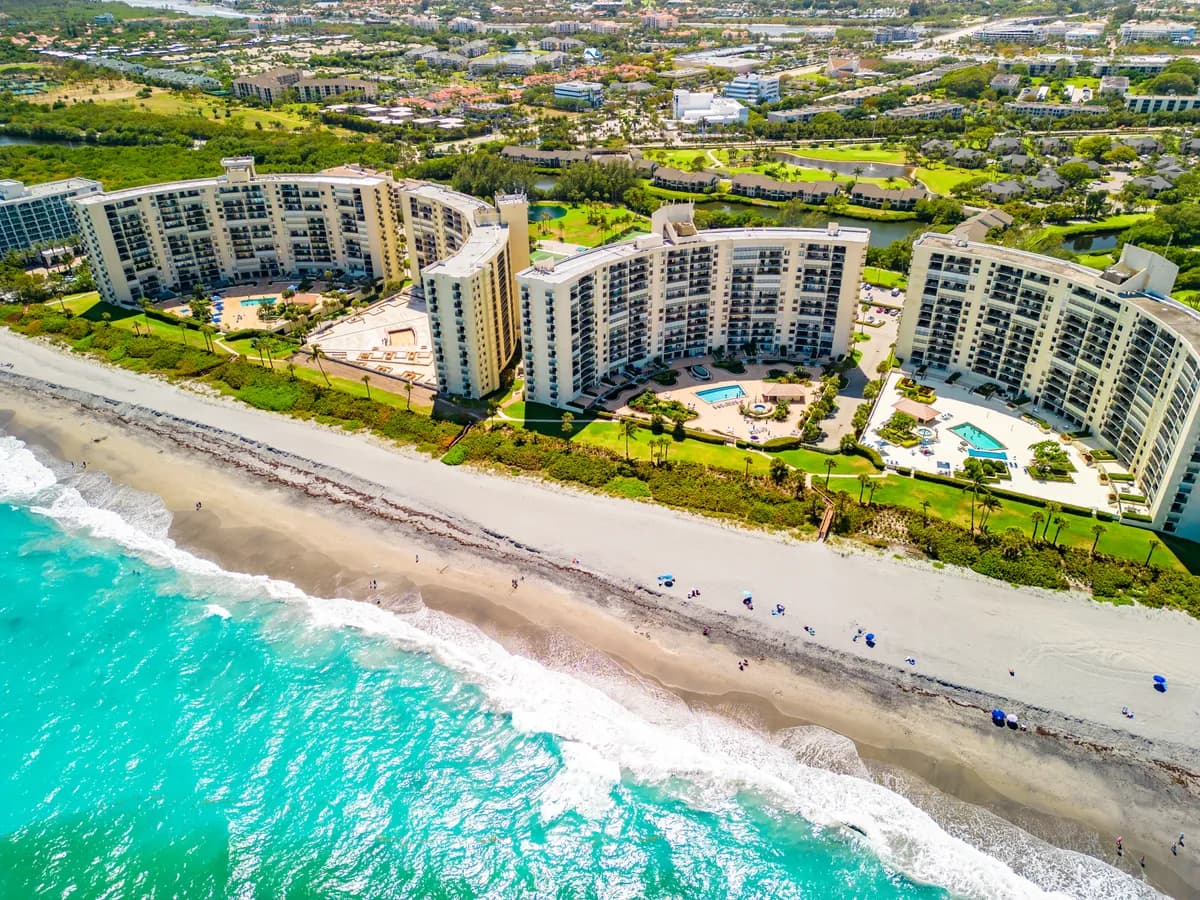
Non-Warrantable Condo Loans, explained properly.
It’s the building that failed — not you
When a condo loan gets declined, buyers assume they did something wrong. Usually they didn’t: the building flunked Fannie Mae and Freddie Mac’s warrantability checklist. Too many units owned by investors. A lawsuit somewhere in the HOA’s history. A developer still holding inventory. Hotel-style amenities. One line item is enough, and the agencies won’t back any loan in the project — no matter how strong the borrower is. Non-warrantable lending re-asks the only question that matters: is this a sound building and a sound buyer? Checklist aside, the answer is usually yes.
How a common-sense project review works
Instead of pass/fail line items, the lender reads the building the way an investor would. Is the HOA budget funded and are reserves reasonable? Is the litigation cosmetic — a contractor dispute — or structural? Is investor concentration a stability risk in this market, or just the nature of a resort town? New construction gets judged on the developer and absorption, not an arbitrary presale percentage. I package the condo questionnaire, budget, and litigation details up front, so the project review happens early — before you’ve spent money on an appraisal for a building that won’t work.
Condotels and resort condos: the deep end of the pool
The hardest “no” in condo lending is the condotel — a unit with a front desk, rental program, or hotel branding. Agencies won’t touch them; plenty of banks won’t either. But condotels are simply small hospitality businesses with a deed, and lenders in the Non-QM world underwrite them exactly that way, often letting projected rental income power a DSCR-style qualification. Whether it’s a beach condotel that pays for itself or a ski-resort unit you’ll use ten weekends a year, the financing exists — it just lives off the beaten path, which happens to be where I work.
Sound like you? Then this is your program.
The blindsided buyer
Under contract, mortgage “approved” — then the building failed review. The deal is usually still very saveable.
The resort & condotel buyer
A beachfront unit with hotel amenities and rental income — a small business with a view, financed like one.
The new-construction pioneer
Buying early in a project the agencies won’t bless until it’s mostly sold — getting the unit, and the price, first.
The numbers, straight.
Litigation, investor-heavy, new build
Yes — including rental programs
Typically 15–25%
Common-sense, done early
Primary, second home, investment
Can power qualification
Building vetted before appraisal
Ranges reflect typical scenarios and vary with the full file — they’re a starting point, not a quote or a commitment to lend. Pat will give you real numbers for your situation.
From first call to closing table.
Book a free call
Fifteen minutes with Pat. Your situation in plain English — no forms marathon, no obligation.
Get your real numbers
The program that fits, the terms you'd actually see, and a document list built for your file — not a generic checklist.
Close with confidence
Pat drives the file to the closing table and keeps you ahead of every deadline while you plan the move.
“What made my experience so stellar was Pat Villano. He is exceptional with prompt and clear communication. He works long hours to meet your needs. A rare find these days. Thank you, Pat!”
The questions everyone asks.
This is the classic rescue scenario. Send me the condo questionnaire and contract today — the project review starts immediately, and switching a live file to a non-warrantable program routinely happens inside a normal closing window.
No — it’s about what the lawsuit is. A dispute over landscaping contracts reads very differently than structural-defect litigation. Lenders in this space read the actual filings instead of rejecting the word “lawsuit.”
Expect modestly higher pricing than a warrantable condo — that’s the cost of the flexibility. For most buyers it’s the difference between owning the unit they actually want and walking away from it.
Things like high investor concentration, pending litigation, a project still under construction, or condotel features. None of them mean the condo is a bad buy — they just fail Fannie and Freddie’s checklist.
Usually, yes. A conventional decline is about the project, not you. Non-QM lenders review the building on common sense — budget, occupancy, litigation details — instead of a rigid agency checklist.
Yes. Condotels and resort projects are a core part of this program, whether it’s a vacation home or a rental that earns when you’re not there. The building’s hotel-style features aren’t a dealbreaker here.
Have a different question? Read the full FAQ or call Pat directly.
Explore other programs



Get a straight answer on your file.
One free call with Pat. Bring your situation, leave knowing your real options under this program — and exactly what it takes to close.