Key takeaways
- An escrow holdback sets aside money at closing to pay for repairs or improvements finished after you own the home.
- Lenders typically require 110% to 150% of the contractor's estimate, a firm deadline, and a final inspection before funds are released.
- Holdbacks are for minor, clearly scoped work — weather delays, a missing railing, exterior paint — not structural or safety problems.
- Not every lender or program permits them, so the question belongs in the first conversation, not the last week.
The appraisal comes back subject to repairs. The seller can't finish the deck before closing, or it's January and nobody can pour a driveway until the ground thaws. The rate lock expires in nine days. This is the situation an escrow holdback exists for — and knowing it exists can save a deal that would otherwise fall apart over a few thousand dollars of work.
What an escrow holdback is
An escrow holdback, also called a repair escrow or completion escrow, is an agreement to close the loan now and finish specific work later. Money to cover the work is withheld at the closing table and held by the title company, the closing attorney, or the lender. When the work is complete and verified, the funds are released to the contractor or back to whoever funded the account. The loan closes on time, the buyer gets the keys, and the repair has a funded deadline behind it.
How the process works
- The issue is identified — usually by the appraiser, sometimes by an inspector or the lender's underwriter.
- A licensed contractor provides a written bid for the specific work.
- The lender approves the holdback and sets the amount, typically 110% to 150% of the bid to cover overruns.
- The buyer and seller sign a holdback agreement that names who funds the account, the completion deadline, and what happens to leftover money.
- Closing happens. The funds sit in escrow.
- The work is completed, the appraiser or an inspector confirms it with a final inspection, and the escrow is released.
What qualifies and what doesn't
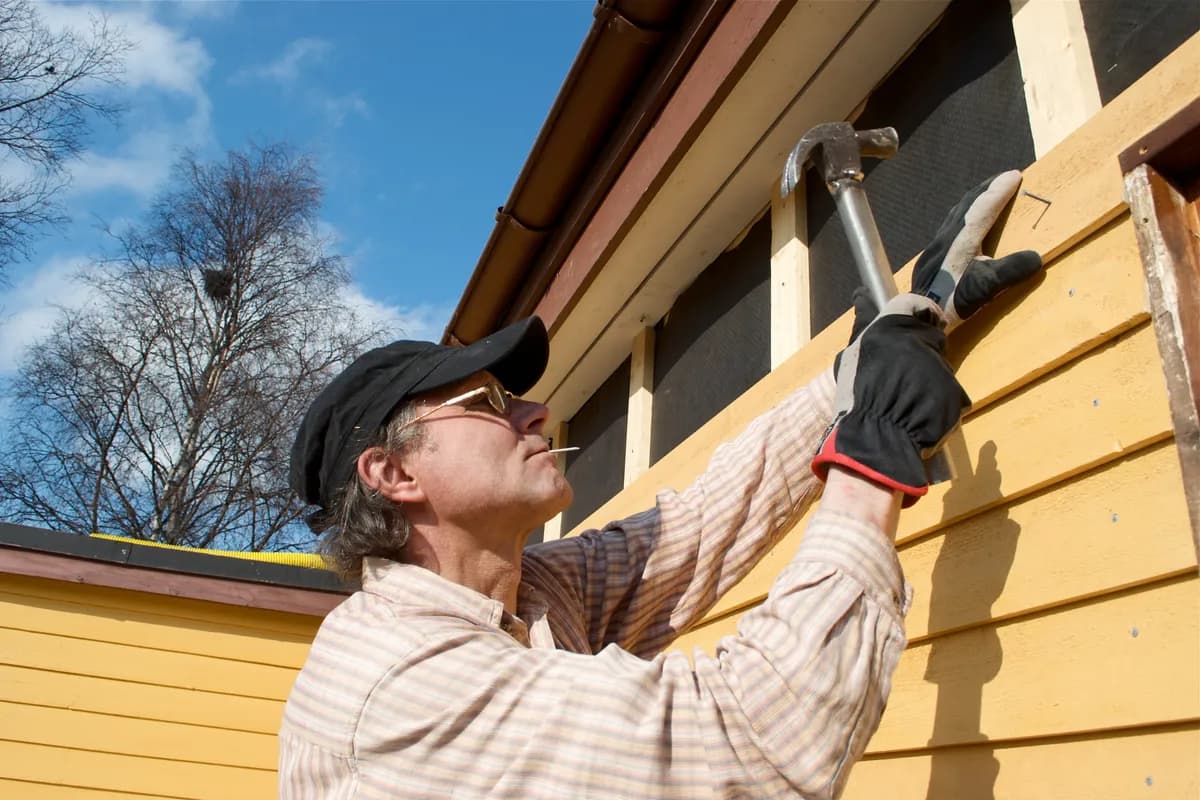
Holdbacks are designed for work that is minor, well defined, and doesn't affect whether the house is safe to live in. Weather-delayed exterior items are the classic case: paint, landscaping, a driveway, final grading. Small interior items can qualify too — a missing handrail, flooring in one room, an appliance on backorder. What doesn't qualify is anything structural or health-and-safety related: a failing roof, foundation movement, no working heat, active leaks, electrical hazards. Those have to be fixed before closing, or the financing has to change.
Rules vary by loan type
Conventional, FHA, VA, and USDA guidelines all have provisions for completion escrows, but each sets its own limits on the size of the repair, the deadline, and the inspection required — and individual lenders often add stricter rules of their own. Some simply don't offer holdbacks at all. Non-QM lenders set their own policy program by program. That's why the right time to ask is at pre-approval, particularly if you're shopping older homes or new construction finishing in winter.
Who pays
It's negotiable. Most often the seller funds the holdback from their proceeds, because the repair was their responsibility under the contract. Sometimes the buyer funds it to keep a good deal alive, and sometimes the cost is split. Whoever funds it gets any unused balance back once the final inspection clears, unless the agreement says otherwise. Expect a fee for the re-inspection and sometimes an escrow administration fee from the title company.
When a holdback is the wrong tool
If the work is substantial, a holdback won't stretch to fit it. A home that needs real renovation calls for a renovation loan, or for investors, short-term rehab financing — see fix and flip loans and the BRRRR method. Buying at auction or in as-is condition raises the same question from the other direction, and I cover it in buying a house at auction. A seller credit or a price reduction can also solve the problem without any escrow at all, as long as the property still meets the lender's minimum condition standards on the day of closing.
If a repair item is threatening your closing date, tell me what the appraiser flagged and what the contractor quoted. Sometimes the answer is a holdback, sometimes it's a different loan — either way it's usually solvable if it's raised early. Program rules vary, so confirm the specifics with your lender before you count on one.
Have a situation like this?
Every file is different. Book a free consultation and get answers specific to you — no obligation, no pressure.
Book a Free Consultation