Key takeaways
- House hacking = living in one unit of a property while tenants in the others cover most (or all) of the mortgage.
- Because you live there, you can often use owner-occupant financing with a smaller down payment.
- The rent from the other units helps you qualify — and trains you as a landlord with a safety net.
- When you move out, it converts into a pure rental, and a DSCR refi can free you for the next one.
Every seasoned investor knows someone whose entire portfolio began the same way: they bought a duplex, lived on one side, and let the tenant on the other side pay most of the mortgage. That's house hacking, and it remains the single friendliest on-ramp into real estate investing — because it lets you start with the home you were going to buy anyway.
The core mechanics
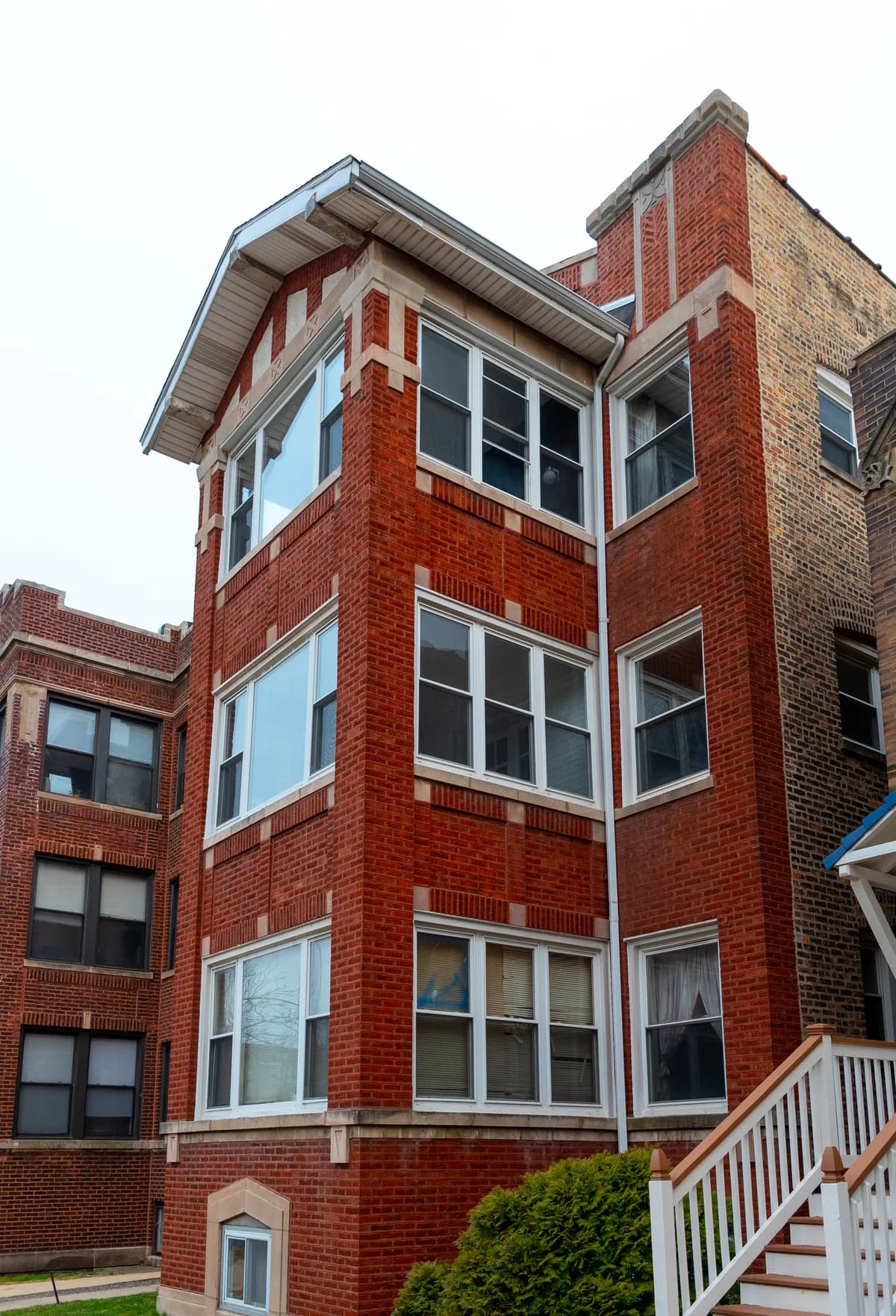
You purchase a two-to-four-unit property (or a home with a rentable basement, garage apartment, or spare rooms), occupy one part as your primary residence, and rent out the rest. The rental income offsets your housing cost — sometimes covering it entirely. Instead of paying to live, you're being paid to own.
Why the financing is uniquely favorable
- Owner-occupant terms — because you live there, you're not priced as an investor: lower rates and much lower down payments than an investment purchase.
- Rent counts toward qualifying — lenders can credit a portion of the other units' rent as income, boosting what you can afford.
- Two-to-four units still count as 'residential' — you get home-loan treatment on what is functionally a small apartment building.
The rules you must respect
Owner-occupant financing comes with an honesty requirement: you genuinely have to live there, typically for at least a year. Misrepresenting occupancy is fraud — never worth it. The good news is the year passes quickly, you learn landlording with your tenants a wall away, and then you're free to repeat the play.
The graduation move
Here's where house hacking connects to everything else I write about: after your occupancy period, you can move out, rent your old unit, and the property becomes a pure investment. Many house hackers then refinance into a DSCR loan — which qualifies on the property's rent, not their paycheck — releasing their personal borrowing power for the next owner-occupied purchase. Do this every couple of years and you've built a portfolio without ever making a traditional 'investment purchase.'
Who it's perfect for
First-time buyers who flinch at their market's prices, young professionals with more ambition than capital, and anyone who wants to test-drive being a landlord before betting big. If you're self-employed, the same Non-QM flexibility that powers my other programs works here too. Tell me your market and budget, and I'll show you what a house hack could look like — including what the other units' rent does to your qualifying number.
Have a situation like this?
Every file is different. Book a free consultation and get answers specific to you — no obligation, no pressure.
Book a Free Consultation